What is an Apparition?
An apparition of a planet is the period during which it is visible, beginning and ending with solar conjunction. In the cases of the inferior planets Mercury and Venus, it is the time between inferior and superior conjunction (morning apparition) and the time between superior and inferior conjunction (evening apparition). Because inferior planets are always near the Sun, they only appear in the east before sunrise and the west after sunset.
Mercury undergoes several morning and evening apparitions every year. Morning apparitions start at inferior conjunction when Mercury is nearest to Earth but in its new or slender crescent phase so the planet is at its dimmest. It then brightens throughout the morning apparition as the phase increases. Evening apparitions begin with superior conjunction when Mercury is farthest from Earth but in its full or nearly full phase so the planet is at its brightest. It then dims throughout the evening apparition as the phase decreases. Mercury exhibits the largest range of magnitudes of any planet, ranging from +6 at inferior conjunction to around −2 at superior conjunction.
| Inferior Conjunction | Greatest Elongation West | Superior Conjunction | Greatest Elongation East | ||
|---|---|---|---|---|---|
| 21 January | 19 February | 18.1° | |||
| 7 March | 3 April | 27.8° | 14 May | 15 June | 24.5° |
| 13 July | 2 August | 19.5° | 27 August | 12 October | 25.2° |
| 4 November | 20 November | 19.6° | |||
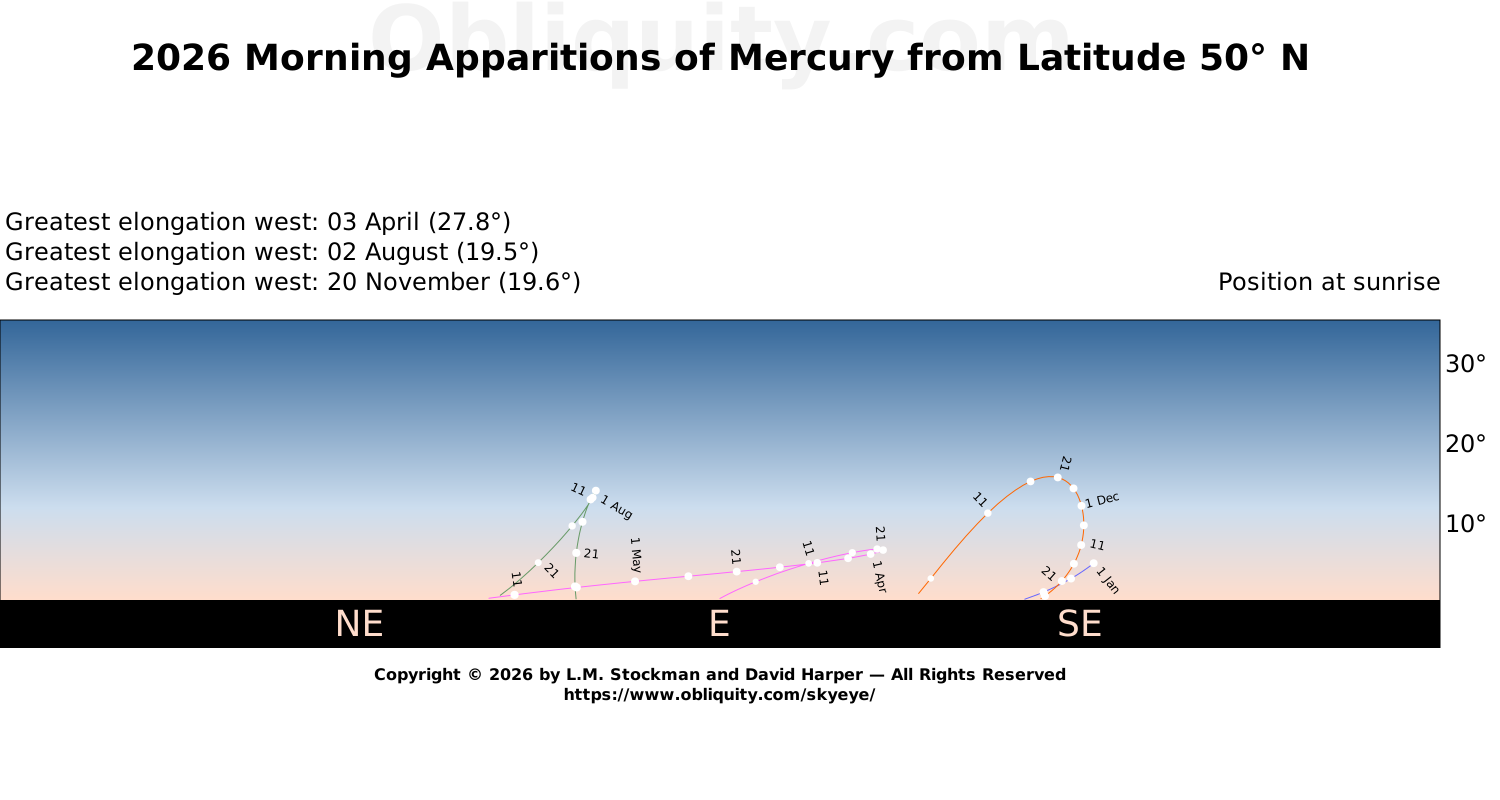
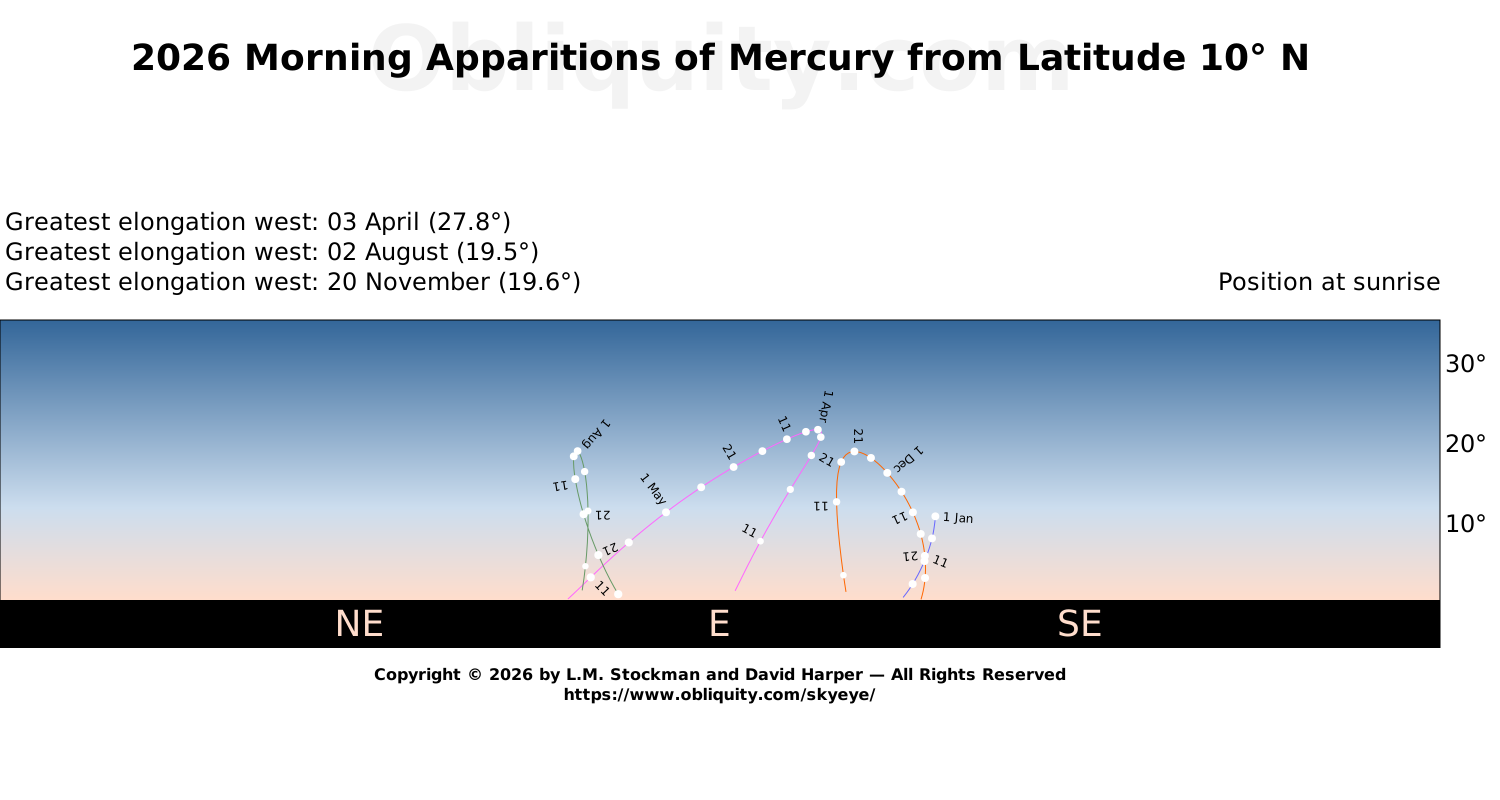
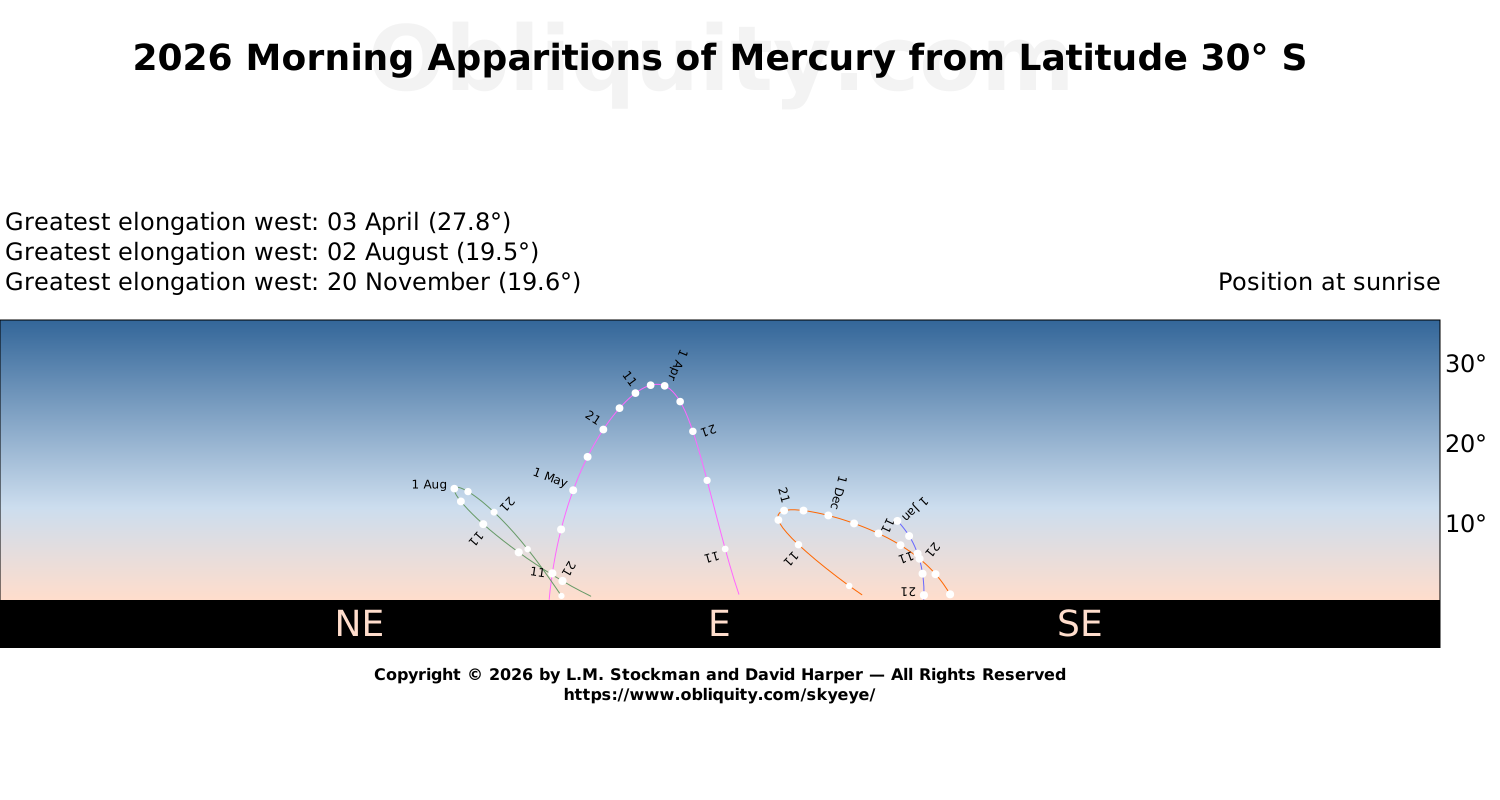
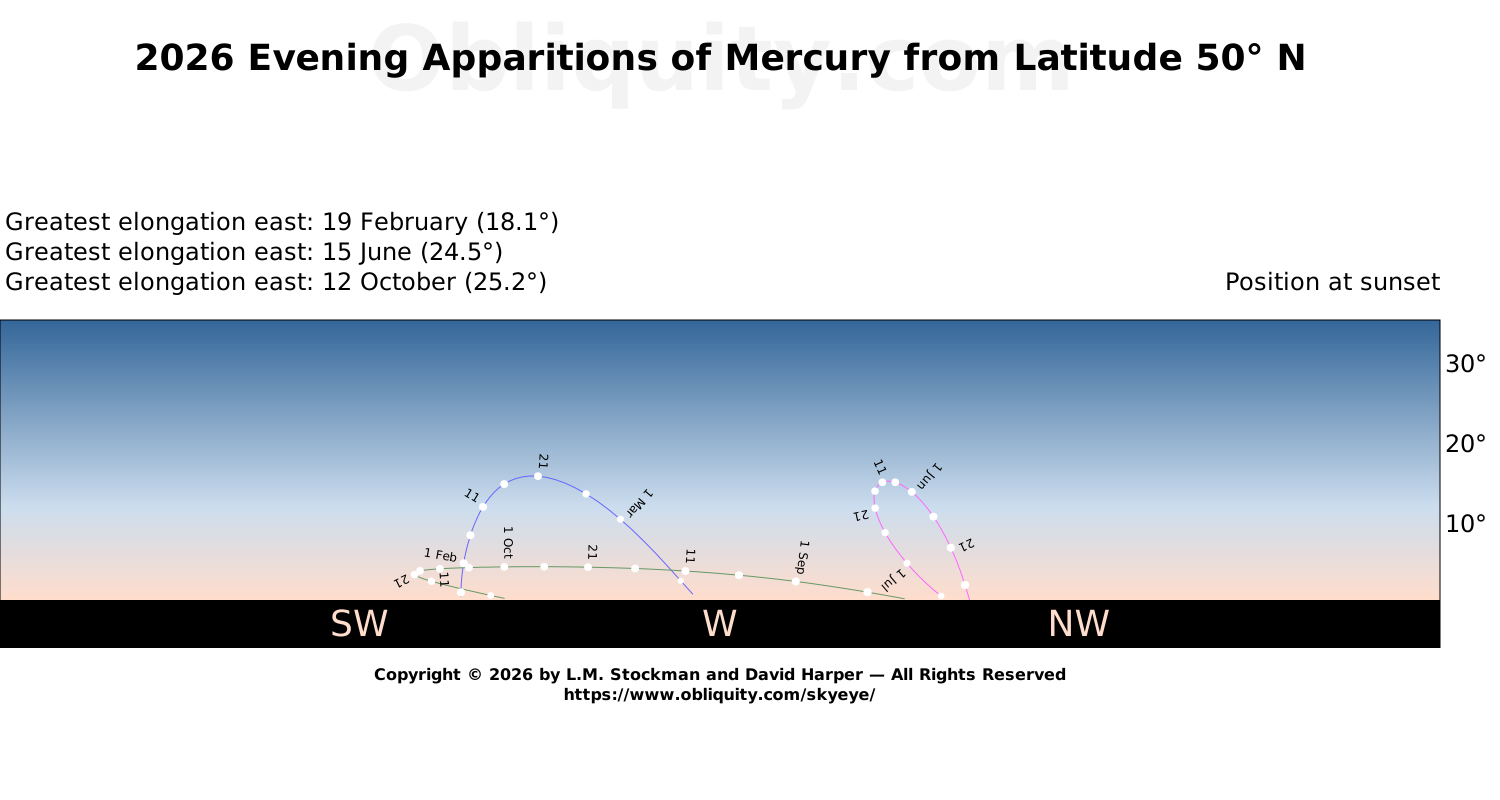
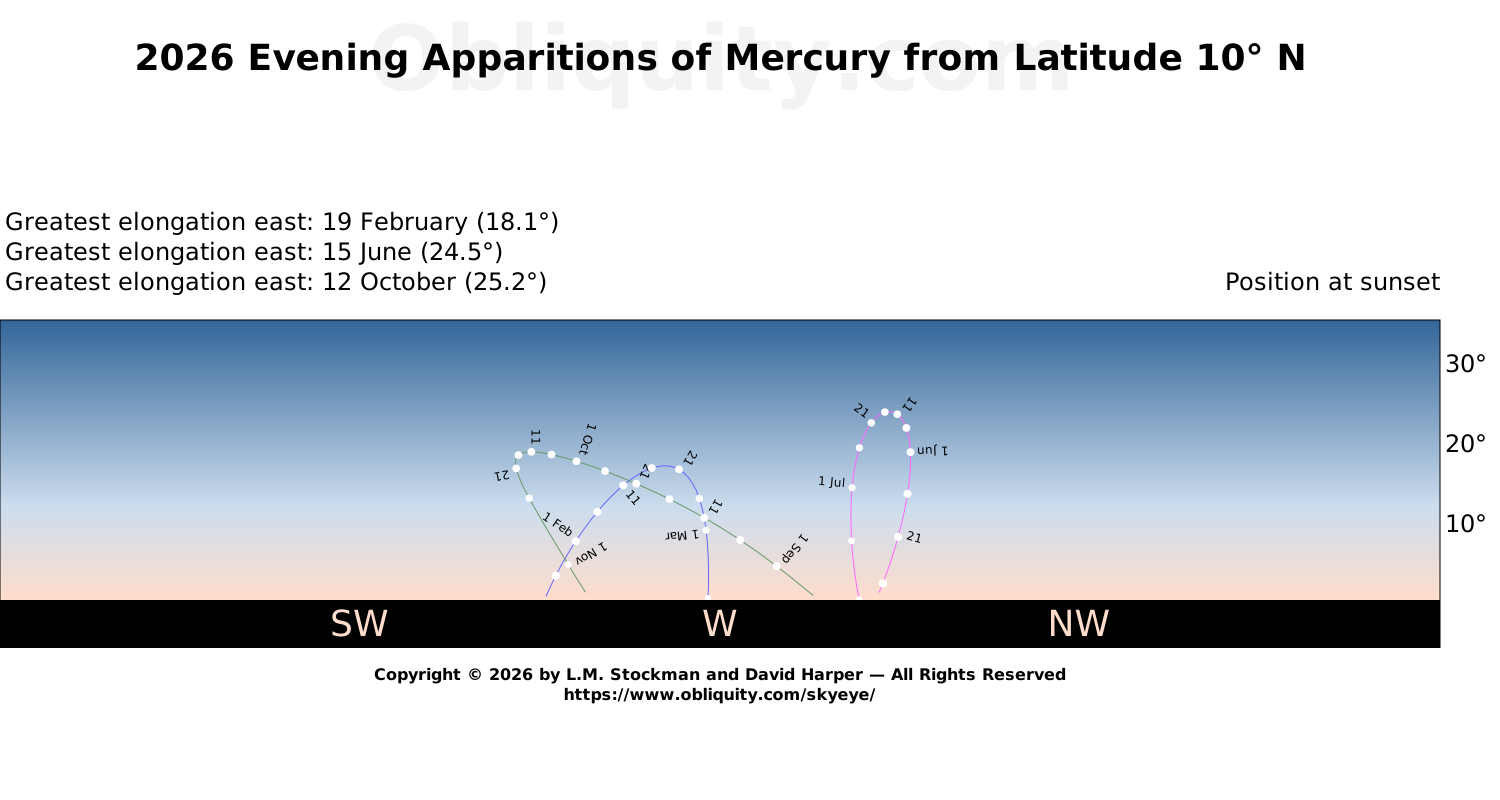
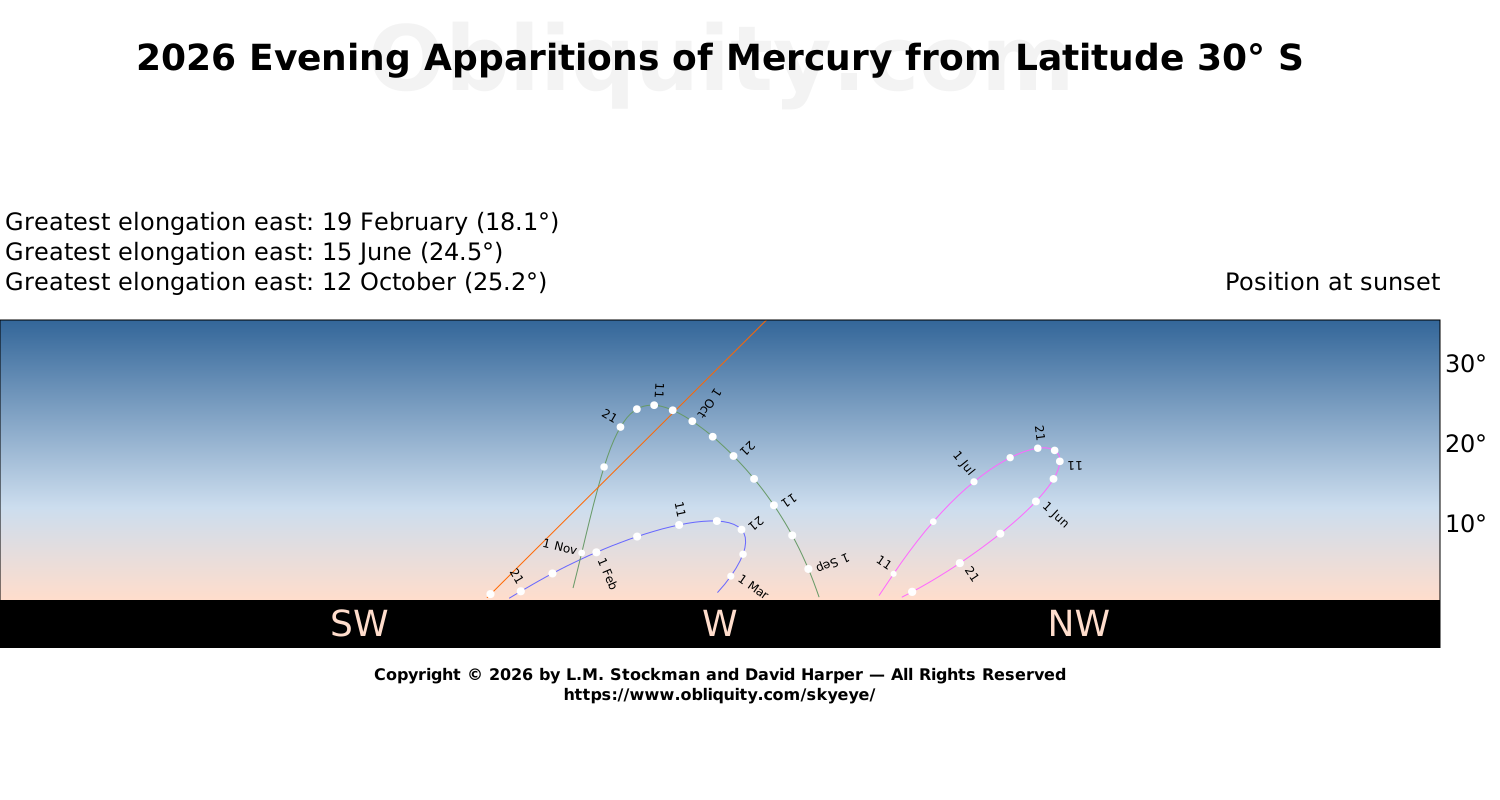
Below are a series of diagrams showing the morning and evening apparitions of Mercury as observed from latitudes 50° north, 10° north, and 30° south. The planet is shown on the 1st, 6th, 11th, 16th, 21st and 26th days of each month with the current year's positions shown in bright white. The path may extend from the previous year or into the next. The first morning or evening apparition is denoted with a blue line, the second with a pink line, the third with a green line, and the fourth (if it exists) with an orange line.
Morning Apparitions
The final morning apparition of 2025 (50°N, 10°N, 30°S) concludes in January with the tiny planet appearing low in the east at dawn and vanishing by mid-month. The first complete morning apparition this year (pink line) takes place between early March and mid May, and is the best dawn appearance of Mercury for early risers in the southern hemisphere and equatorial regions. The apparition occurring between mid July and late August is good for all observers with the final morning appearance (commencing in early November) favouring northern latitudes.
Evening Apparitions
The first evening apparition of 2026 begins at the end of January, running through to early March, and is one of two good western appearances of Mercury for planet watchers in northern temperate latitudes. The second evening apparition begins in mid May and runs until mid July, with the elusive planet well-placed for all observers. The final appearance at sunset begins at the end of August and runs to early November. Barely clearing the horizon for those in northern temperate latitudes, this is the best opportunity for southern hemisphere astronomers to catch a glimpse of the closest planet to the Sun.

 Copyright © 2026 by L.M. Stockman and David Harper